
Why Year-Round Parasite Prevention Matters for Florida Pets

Why Year-Round Parasite Prevention Matters for Florida Pets
If you have a dog, cat, or rabbit living in Indian Harbour Beach or the surrounding communities, you know how much our pets rely on us for their health and comfort. One of the most important ways to protect your pet here in Florida is by making sure they are safeguarded against parasites every single month of the year. At SOUTH PATRICK ANIMAL HOSPITAL, located at 1761 South Patrick Drive, Indian Harbour Beach, FL 32937, we see firsthand how our region’s warm, humid climate creates the perfect environment for fleas, ticks, and mosquitoes to thrive. This makes consistent parasite prevention essential, not only during the summer but all year long. In this post, we’ll explain why year-round parasite prevention matters so much for Florida pets, what signs to look for, and how our veterinary team can help you keep your furry family members healthy and comfortable—no matter the season.
Whether you are worried about heartworm disease, itchy skin, or the possibility of your pet bringing home fleas, this guide breaks down the risks and solutions. You’ll also discover tips for September and beyond, learn how our comprehensive physical exams can help detect parasite issues early, and find out how to get started with a personalized prevention plan at SOUTH PATRICK ANIMAL HOSPITAL.
Recognizing the Signs: How Parasites Affect Your Pet
It’s easy to overlook the early signs of a parasite problem, especially since symptoms can be subtle at first. However, catching these signs early makes a big difference in your pet’s comfort and long-term health. Fleas, for example, often cause frequent scratching, red or irritated skin, hair loss along the back or tail, or even the presence of small black specks (flea dirt) in your pet’s fur. Ticks may be seen attached to the skin, but sometimes they are hidden beneath thick coats, so it’s important to check after outdoor play.
Heartworm disease is much harder to spot in its early stages. Dogs may start with a mild cough or seem less energetic on walks, while cats can show vague signs like vomiting, rapid breathing, or even sudden collapse. Rabbits, although less likely to contract heartworms, are still vulnerable to fleas and mites, which can cause itching, hair loss, and skin infections. Key symptoms to watch for include persistent itching, visible parasites, unexplained lethargy, coughing, or any sudden changes in behavior or appearance.
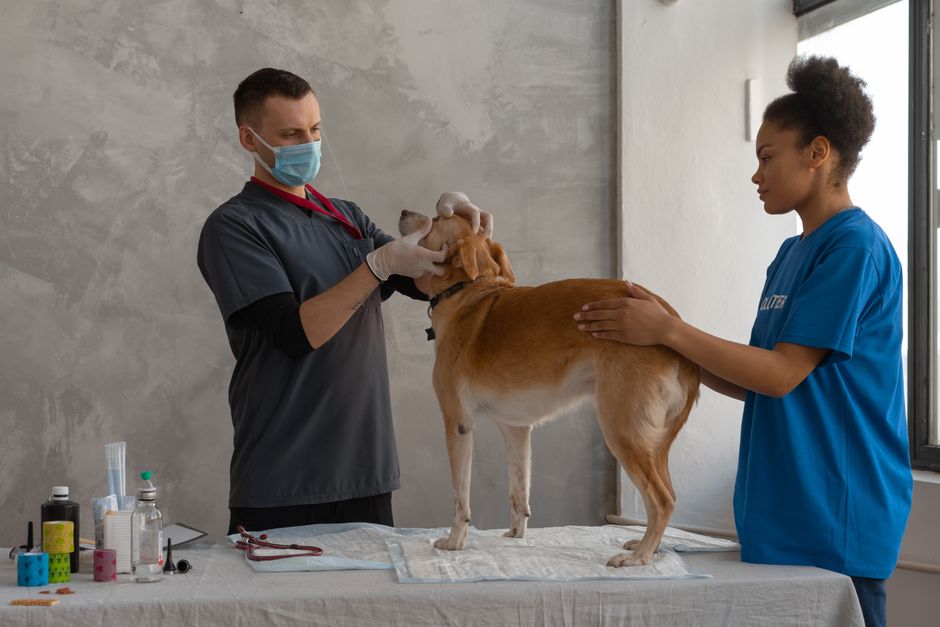
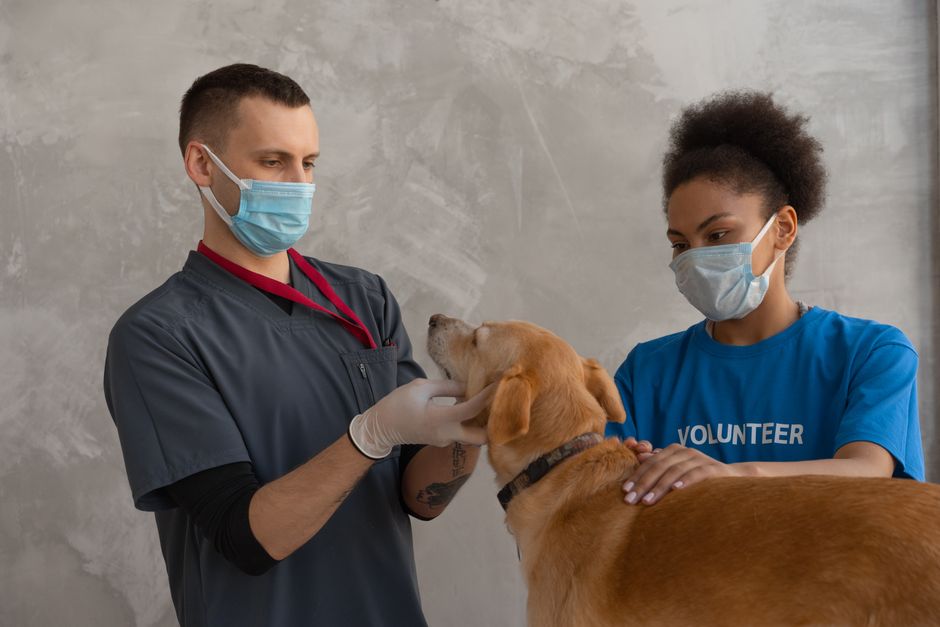
If you notice any of these signs, it’s important to reach out to your veterinary team for a thorough exam. Even if your pet seems healthy, routine comprehensive physical exams at SOUTH PATRICK ANIMAL HOSPITAL are designed to catch subtle problems before they become more serious.
Why Florida’s Climate Puts Pets at Risk
Living in Indian Harbour Beach means enjoying sunshine and ocean breezes, but our mild winters and humid, rainy summers create a year-round haven for parasites. Fleas and ticks thrive in warm, moist environments and can survive in shaded yards, under decks, or even indoors if they hitch a ride on your pet. Unlike colder climates where winter naturally limits parasite activity, Florida’s temperatures rarely drop low enough to interrupt their life cycles.
Mosquitoes, responsible for spreading heartworm disease, are present nearly every month of the year in our region. Even a brief lapse in prevention can leave your pet vulnerable to infection. It only takes one bite from an infected mosquito to transmit heartworm larvae, which then mature and cause significant damage to the heart and lungs over time. Additionally, our proximity to waterways and regular rainfall means standing water—where mosquitoes breed—is common, raising the risk even further.
Ticks are also a concern, especially in areas with high grass, wooded parks, or walking trails. They can transmit diseases like Lyme disease and ehrlichiosis, which can make pets very ill. Because these parasites remain active year-round in Florida, skipping preventive treatments during “off-seasons” simply is not safe for your pet.
Professional Treatment and Prevention: What to Expect from Your Veterinarian
The foundation of effective parasite prevention is regular veterinary care tailored to your pet’s unique needs. At SOUTH PATRICK ANIMAL HOSPITAL, our veterinary team begins with a thorough health assessment, often as part of your pet’s wellness examination. During your visit, we’ll discuss your pet’s lifestyle, any recent travel, exposure to other animals, and previous history with parasites.
For heartworm prevention, we recommend annual heartworm testing for all dogs (and sometimes cats), along with a prescription monthly preventive. These medications not only stop heartworm larvae from developing but often protect against intestinal parasites as well. For cats, there are safe topical preventives that address heartworms, fleas, and ticks in a single application.
Flea and tick prevention typically involves monthly oral or topical medications, which are chosen based on your pet’s health, age, and risk factors. Our veterinarians are happy to walk you through the available options, answer questions about side effects, and help you select the safest, most effective products. For rabbits and small companion animals, parasite prevention is more specialized, but we offer veterinary care tailored to rabbits and small animals, including advice on safe flea and mite control.
If your pet is already dealing with an active parasite infestation, treatment may involve medicated baths, oral or injectable medications, and sometimes additional diagnostics to assess for complications like skin infections or allergic reactions. After addressing the immediate problem, our goal is always to create a customized prevention plan so you can avoid future issues.
Home Care and Everyday Prevention: Protecting Your Pet Year-Round
While veterinary-prescribed prevention is the cornerstone of parasite control, there are several practical steps you can take at home to reduce your pet’s risk. Start by keeping your yard tidy; regularly mowing grass, trimming bushes, and removing leaf litter or debris helps minimize flea and tick habitats. Vacuum your home frequently, especially areas where your pet sleeps or relaxes, to pick up flea eggs and larvae before they can develop.
Washing your pet’s bedding in hot water at least once a week and keeping indoor spaces clean can greatly reduce the chances of a household infestation. For pets that spend time outdoors, check their fur and skin for ticks after every walk or play session, paying close attention to the ears, under the collar, and between the toes. If you have multiple pets, make sure each one is on a veterinarian-recommended parasite prevention plan, since fleas and ticks can easily move from one animal to another.
Never use parasite products intended for dogs on cats, or vice versa, as this can cause serious health problems. If you are caring for a rabbit or small companion animal, be sure to use only products approved for their species; our team can provide guidance on what is both safe and effective. Monitoring your pet for changes in behavior, appetite, or skin condition allows you to catch problems early and seek help before they worsen.
When to Seek Veterinary Care for Parasite Issues
Some pet owners may wonder when a parasite problem warrants a visit to the veterinarian. If you notice persistent scratching, hair loss, redness, or the presence of fleas or ticks, it’s time to schedule an appointment. Coughing, labored breathing, lethargy, or unexplained weight loss may signal heartworm disease or other serious health issues requiring immediate attention.
Annual heartworm testing is essential for dogs, even if they are on monthly preventives, since no medication is 100 percent effective and early detection is key to successful treatment. Cats and rabbits with sudden changes in energy, appetite, or grooming habits should also be evaluated promptly.
If you are unsure about which parasite prevention is best for your pet, or if you suspect an adverse reaction to a medication, consult with our veterinary professionals right away. Our team at SOUTH PATRICK ANIMAL HOSPITAL is always here to answer your questions, provide safe recommendations, and ensure your pet receives the care they deserve.
The Importance of a Year-Round Prevention Plan for Every Pet
Parasites are not just a nuisance; they pose real risks to your pet’s health and can lead to lasting complications if left unaddressed. Year-round parasite prevention is the most effective way to protect dogs, cats, and rabbits in our region. By working closely with your veterinary team, you can ensure your pet is shielded from fleas, ticks, heartworms, and other threats—every month of the year.
Routine comprehensive physical exams form the foundation of good preventive care, allowing us to catch early signs of trouble and tailor recommendations to your pet’s needs. Combined with the right medications, regular home cleaning, and vigilant monitoring, you can enjoy peace of mind knowing your furry family is well protected.
Partner with SOUTH PATRICK ANIMAL HOSPITAL for Complete Parasite Protection
Your pet’s health and comfort are our top priorities at SOUTH PATRICK ANIMAL HOSPITAL. Our veterinary team proudly serves Indian Harbour Beach and the surrounding communities, offering expert advice and compassionate care every step of the way. If you are searching for a "veterinarian near me" who understands the unique year-round risks faced by Florida pets, our team is here to help.
To schedule your pet’s next exam, discuss parasite prevention options, or address any concerns, contact us at (321) 773-3111. You can also visit us in person at 1761 South Patrick Drive, Indian Harbour Beach, FL 32937. Remember, consistent prevention and early detection are the keys to keeping your pet healthy and happy all year long.
For more information about our comprehensive physical exams, heartworm testing, or specialized rabbit and small companion animal care, our veterinary professionals are just a call or visit away. Let’s work together to keep your beloved pets protected, no matter what the Florida climate brings next.