
Protecting Your Pets From Heat And Humidity Hazards
Protecting Your Pets From Heat And Humidity Hazards
When summer peaks in Indian Harbour Beach, pet owners face a unique set of challenges keeping their dogs, cats, and small mammals safe and comfortable. The intense combination of heat, humidity, and sudden rain showers can quickly turn a routine walk or backyard play into a risky situation for your pet. At SOUTH PATRICK ANIMAL HOSPITAL, conveniently located at 1761 S. Patrick Drive, Indian Harbour Beach, FL 32937, our veterinary team understands how Florida’s summer weather can impact your pet’s health. This guide will help you recognize the dangers of heat and humidity, spot early signs of heat stress, prevent dehydration, and keep your pet comfortable all season long. We will also discuss grooming strategies and safe outdoor routines that fit our local climate. If you have questions about your pet’s summer safety or would like to schedule a wellness visit, our team is here to support you.
Recognizing Heat Stress and Dehydration in Pets
Common Signs of Heat-Related Illness
Florida’s high temperatures and humidity can cause pets to overheat much faster than most owners realize. Recognizing the early signs of heat stress is crucial to preventing serious health risks. Key symptoms include excessive panting, drooling, restlessness, an increased heart rate, or seeming lethargic and unsteady on their feet. In some cases, pets may also vomit, have diarrhea, or collapse if their body temperature climbs too high.
Small mammals like rabbits, guinea pigs, and ferrets are especially sensitive to heat. For these pets, watch for rapid breathing, red or warm ears, and a reluctance to move. Cats may seek out cool surfaces, become withdrawn, or show less interest in food and play. Immediate attention is necessary if you notice any of these warning signs, as heatstroke can develop rapidly and may be life-threatening.
Recognizing Dehydration
Dehydration is another common summer risk. Signs to watch for are sunken eyes, dry or sticky gums, skin that does not quickly return to normal when gently pinched, and general weakness. Dogs and cats may also drink excessively or, conversely, stop drinking due to nausea or discomfort. If you suspect your pet is dehydrated, prompt intervention is needed to restore their fluid balance and prevent complications.
Why Indian Harbour Beach Pets Face Heightened Summer Risks
The Impact of Heat and Humidity
Pets in Indian Harbour Beach and surrounding communities experience unique weather patterns, especially during August when both heat and humidity are at their peak. Unlike humans, pets cannot efficiently cool themselves through sweating. Dogs and cats primarily rely on panting and a small amount of sweating through their paw pads, which is far less effective when the air is saturated with moisture. This means that even a short walk on a humid afternoon can quickly raise your pet’s body temperature.
Additionally, local rainstorms can create muggy conditions and reduce air movement, making it even harder for animals to cool down. Asphalt and sand retain heat well into the evening, increasing the risk of burned paw pads. Small mammals kept indoors may also be affected if air conditioning fails or if their enclosure is in a sun-exposed area.
Breed, Age, and Health-Related Vulnerability
Certain pets face higher risks in summer. Brachycephalic breeds, such as Bulldogs, Pugs, Persians, and similar breeds with short noses, struggle more with heat dissipation. Puppies, kittens, elderly pets, and those with chronic health conditions like heart or respiratory disease are also more susceptible to heat stress. Recognizing your pet’s specific risk factors is essential to tailoring a safe summer routine.
Professional Veterinary Support and Summer Wellness
How Your Veterinarian Can Help
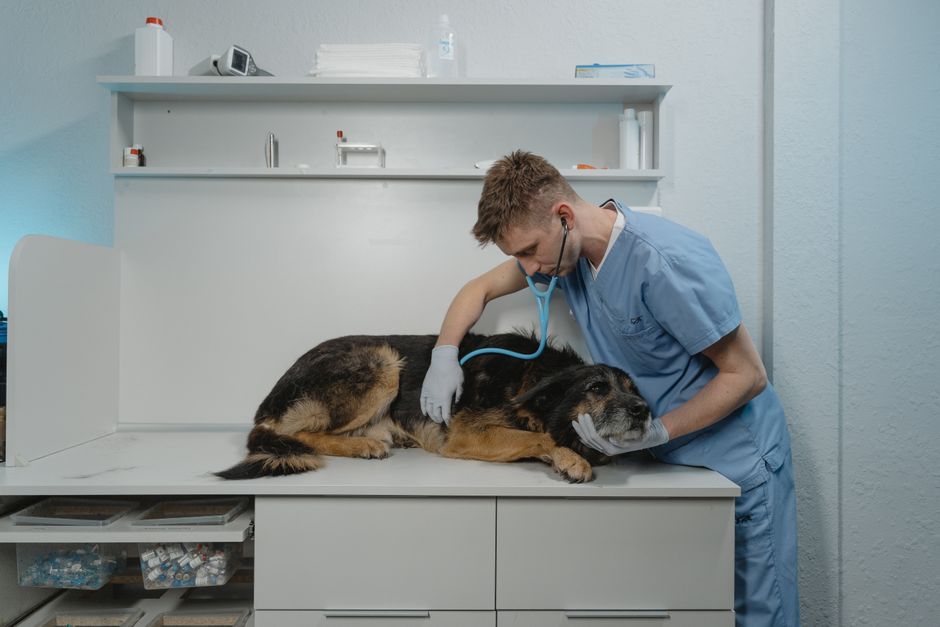
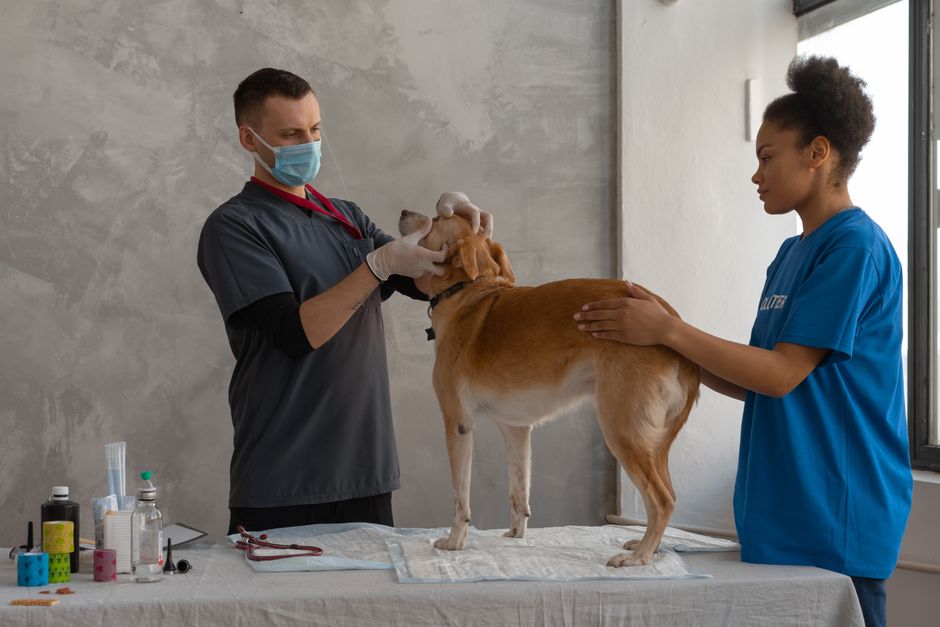
Our veterinary team at SOUTH PATRICK ANIMAL HOSPITAL is committed to helping you keep your pet healthy year-round. During the summer months, a wellness visit can help identify underlying health issues that might increase your pet’s risk of heat-related problems. We assess your pet’s hydration status, review their medical history, and provide recommendations tailored to their needs.
If your pet experiences any signs of heat stress or dehydration, our comprehensive veterinary care services include diagnostic testing, fluid therapy, temperature monitoring, and supportive care. Early intervention is key to a successful recovery from heat exhaustion or heatstroke. We also provide guidance on safe outdoor routines, appropriate activity levels, and grooming techniques that can help keep your pet cool.
What to Expect During a Summer Wellness Exam
A summer wellness exam typically involves a nose-to-tail evaluation, including a careful assessment of your pet’s heart and lungs, hydration status, skin and coat health, and overall body condition. Our team may recommend adjustments to your pet’s exercise routine, discuss safe outdoor schedules, and review your current grooming and feeding practices. For small mammals, we check enclosure placement, ventilation, and water access to ensure their environment supports optimal health.
Practical Tips for Preventing Heat Stress and Dehydration
Keeping Your Pet Cool and Hydrated
Prevention is the best approach when it comes to summer hazards. Ensuring your pet always has access to fresh, cool water is the most important step. Change water frequently throughout the day, and consider adding an extra bowl in your pet’s favorite resting spot. For dogs and cats, providing shaded areas both indoors and outside can help them escape the heat. Walk your dog during early morning or late evening hours when temperatures are lower, and avoid hot pavement that can burn sensitive paw pads. Testing the pavement with the back of your hand for a few seconds can give you a sense of whether it is safe for your pet’s feet.
Cats may benefit from cool surfaces like tile floors or designated cooling mats. For small mammals, place enclosures in the coolest part of the house, away from direct sunlight. Frozen water bottles wrapped in a towel can offer a cool spot for them to rest against, but always monitor to ensure they do not get too cold or wet.
Safe Exercise and Outdoor Play
Regular exercise is important for your pet’s physical and mental health, but it must be adapted to summer conditions. Limit vigorous play to the cooler parts of the day, and always bring water along for outdoor activities. Watch for signs of fatigue, heavy panting, or reluctance to keep moving, and be prepared to cut activities short if your pet seems uncomfortable. Never leave pets unattended in parked cars, even for a few minutes, as interior temperatures can skyrocket rapidly.
Grooming for Summer Comfort
Grooming plays a significant role in your pet’s ability to regulate body temperature. Regular brushing removes loose fur and helps air circulate through the coat. For certain breeds, a summer trim may be appropriate, but avoid shaving your pet down to the skin as this can reduce natural sun protection and increase the risk of sunburn. Our veterinary team can advise you on the best grooming practices for your pet’s breed and coat type, as well as recommend safe options for small mammals who may need regular brushing.
When to Contact Your Veterinarian for Summer Hazards
Situations That Require Immediate Attention
Some summer situations require prompt veterinary care to prevent lasting harm. Seek help right away if your pet collapses, is unable to stand, has seizures, or exhibits rapid, noisy breathing that does not improve with rest. Persistent vomiting, diarrhea, or signs of confusion and disorientation are also red flags that should not be ignored. For small mammals, any sign of distress, lethargy, or refusal to eat or drink in hot weather should trigger a call to your veterinarian.
How SOUTH PATRICK ANIMAL HOSPITAL Can Support You
Our veterinary professionals are highly experienced in diagnosing and managing heat-related illness, dehydration, and other warm-weather concerns. We can provide in-depth evaluation, fluid therapy, and ongoing support to help your pet recover. For non-emergent concerns, scheduling a comprehensive veterinary care appointment allows us to address seasonal risks before they become emergencies. If you are unsure, contacting our team is always the safest choice.
Supporting Your Pet All Summer Long in Indian Harbour Beach
Caring for your pet during the hottest, most humid months of the year requires vigilance and a few adjustments to your daily routines. By recognizing early warning signs, providing plenty of water and shade, adjusting exercise schedules, and keeping up with grooming, you can help your dog, cat, or small mammal thrive despite Florida’s challenging summer conditions. Our team at SOUTH PATRICK ANIMAL HOSPITAL is always here to answer your questions and provide support tailored to your pet’s needs.
If you notice any signs of heat stress or dehydration, or if you would like advice specific to your pet’s breed, age, or health status, we encourage you to schedule an appointment with our veterinary team. You can reach us at (321) 773-3111 or visit us at 1761 S. Patrick Drive, Indian Harbour Beach, FL 32937. For more information about our comprehensive veterinary care services, visit our website at southpatrickanimalhospital.com.
When searching for a veterinarian near me, choose a local team that understands the unique climate challenges of Indian Harbour Beach and is dedicated to keeping your pet healthy all year long. Your pet’s wellbeing is our highest priority, and we look forward to supporting you through every season with compassionate, expert care.
This blog is intended for informational purposes only and should not replace professional veterinary advice. If your pet is experiencing a medical emergency, please contact your veterinarian immediately.